The Future of Living: How PropTech is Shaping Sustainable Smart Homes
The definition of a perfect home is undergoing a radical transformation. Gone are the days when square footage and location were the sole indicators of a property’s value. Today, a new paradigm is taking root, driven by an urgent need for environmental stewardship and accelerated by rapid technological advancements. At the heart of this evolution is the convergence of ecological awareness and digital innovation, creating living spaces that actively participate in resource conservation. As urban populations swell and climate change realities set in, the real estate industry is pivoting toward solutions that harmonize human comfort with planetary health.
Pioneering the Sustainable Smart Home
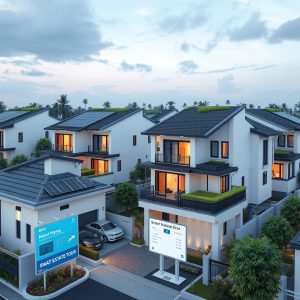
A sustainable smart home is much more than a collection of internet-connected gadgets; it is an integrated ecosystem designed to optimize resource usage while enhancing the quality of life for its inhabitants. These residences leverage interconnected devices to monitor, learn, and adjust to the daily routines of the household. By automating climate control, lighting, and water usage, these homes drastically reduce waste. The underlying philosophy is simple: convenience should not come at the expense of the environment.
The push toward energy efficient housing is the cornerstone of this movement. Advanced insulation materials, solar panel integration, and high-performance windows work in tandem with intelligent HVAC systems to create a tight building envelope. Smart thermostats analyze weather forecasts and occupancy patterns to heat or cool the home exactly when needed, ensuring that not a single kilowatt-hour is wasted. This synergy between physical construction and digital intelligence is setting a new standard for modern living.
PropTech Solutions Revolutionizing the Market
The catalyst behind this residential revolution is Property Technology, widely known as PropTech solutions. PropTech encompasses a broad spectrum of software, hardware, and digital platforms that are disrupting traditional real estate models. From the initial design phase to property management, these innovations are embedding sustainability into the very DNA of our homes. Developers and homeowners alike are utilizing data analytics to track energy consumption in real-time, identifying inefficiencies that would otherwise go unnoticed.
Furthermore, PropTech is democratizing access to sustainable living. Smart sensors and automated energy management systems, once considered luxury add-ons, are becoming standard features in new builds. These technologies empower residents to take control of their carbon footprint through intuitive smartphone applications. By providing actionable insights into daily energy and water consumption, PropTech solutions foster a culture of mindful living, proving that technology can be a powerful ally in the fight against climate change.
The Value of Green Building Certification
As the demand for eco-friendly residences surges, the need for standardized verification has never been greater. Green building certification programs, such as LEED or BREEAM, serve as the ultimate benchmark for environmental performance. These certifications evaluate a property across various metrics, including energy efficiency, water conservation, indoor air quality, and the sustainability of building materials. Achieving these certifications is a rigorous process, but the rewards are substantial for both the environment and the property owner.
For investors and homeowners, a green building certification translates to higher property values and lower operating costs. Homes that boast these credentials often spend less time on the market and command premium prices. Moreover, many municipalities offer tax incentives and rebates for certified energy efficient housing. Beyond the financial benefits, these certifications provide peace of mind, assuring occupants that their home is built to the highest environmental and health standards.
Virtual Home Tours: Reducing the Carbon Footprint of Real Estate
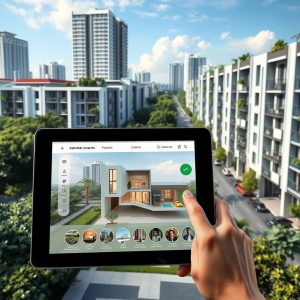
The integration of technology extends beyond the physical attributes of the home and into the buying process itself. Virtual home tours have emerged as a game-changing PropTech solution, fundamentally altering how buyers interact with prospective properties. High-definition 3D modeling and virtual reality allow potential buyers to explore every inch of a sustainable smart home from the comfort of their current living room.
This digital-first approach significantly reduces the carbon emissions associated with traditional house hunting. By minimizing the need to drive or fly to multiple properties, virtual home tours offer an eco-friendly alternative to physical viewings. It also allows developers to showcase off-plan properties effectively, highlighting green features and smart integrations before a single brick is laid, thereby streamlining the sales process and reducing marketing waste.
Integration with Smart City Property Ecosystems
The ultimate vision for the future of real estate is not just isolated smart homes, but fully integrated smart city property ecosystems. A sustainable smart home does not exist in a vacuum; it is a node within a larger, intelligent urban grid. By communicating with local utility providers, these homes can optimize energy consumption based on grid demand, drawing power during off-peak hours and even feeding surplus solar energy back into the system.
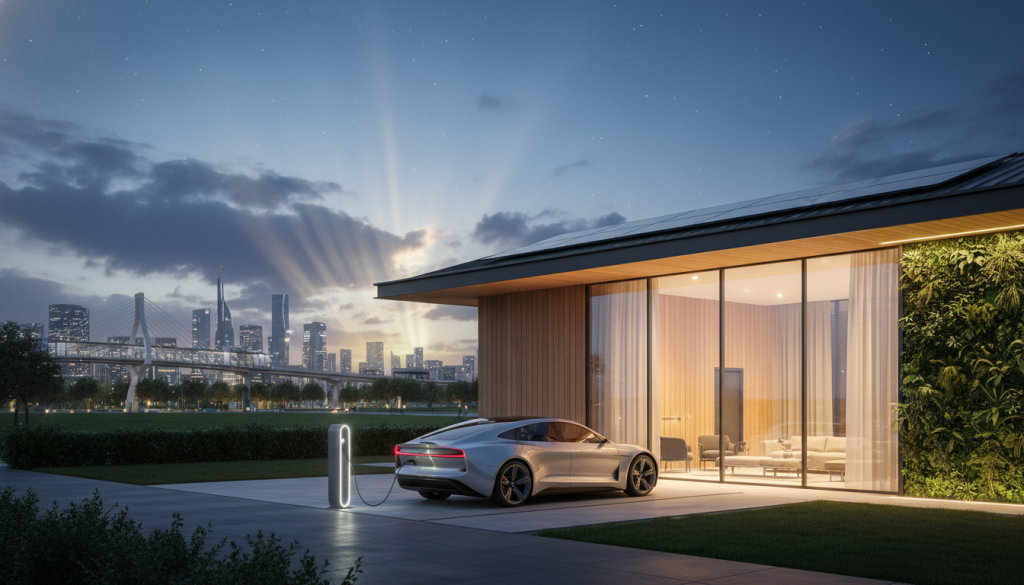
This macro-level integration is often paired with transit oriented development, creating communities where residents have seamless access to public transportation, reducing reliance on personal vehicles. When smart homes are strategically located near transit hubs and equipped with EV charging stations, the entire neighborhood becomes a model of efficiency. The data generated by these interconnected properties helps city planners optimize infrastructure, manage waste more effectively, and improve the overall quality of urban life.
As we navigate the complexities of modern urbanization and environmental constraints, the spaces we inhabit must evolve from passive shelters into active participants in our well-being. The seamless blending of intuitive technology with mindful construction practices is no longer a futuristic concept, but a tangible reality reshaping the real estate landscape. Embracing these innovations allows us to cultivate living environments that are as intelligent as they are responsible, ensuring that our pursuit of comfort inherently supports the resilience of the world around us.